Automation Anywhere: AI-Powered Process Orchestration
Reimagining enterprise workflow automation by transitioning from manual process connections to a Generative AI-driven 'Next Best Action' engine for complex B2B orchestration.
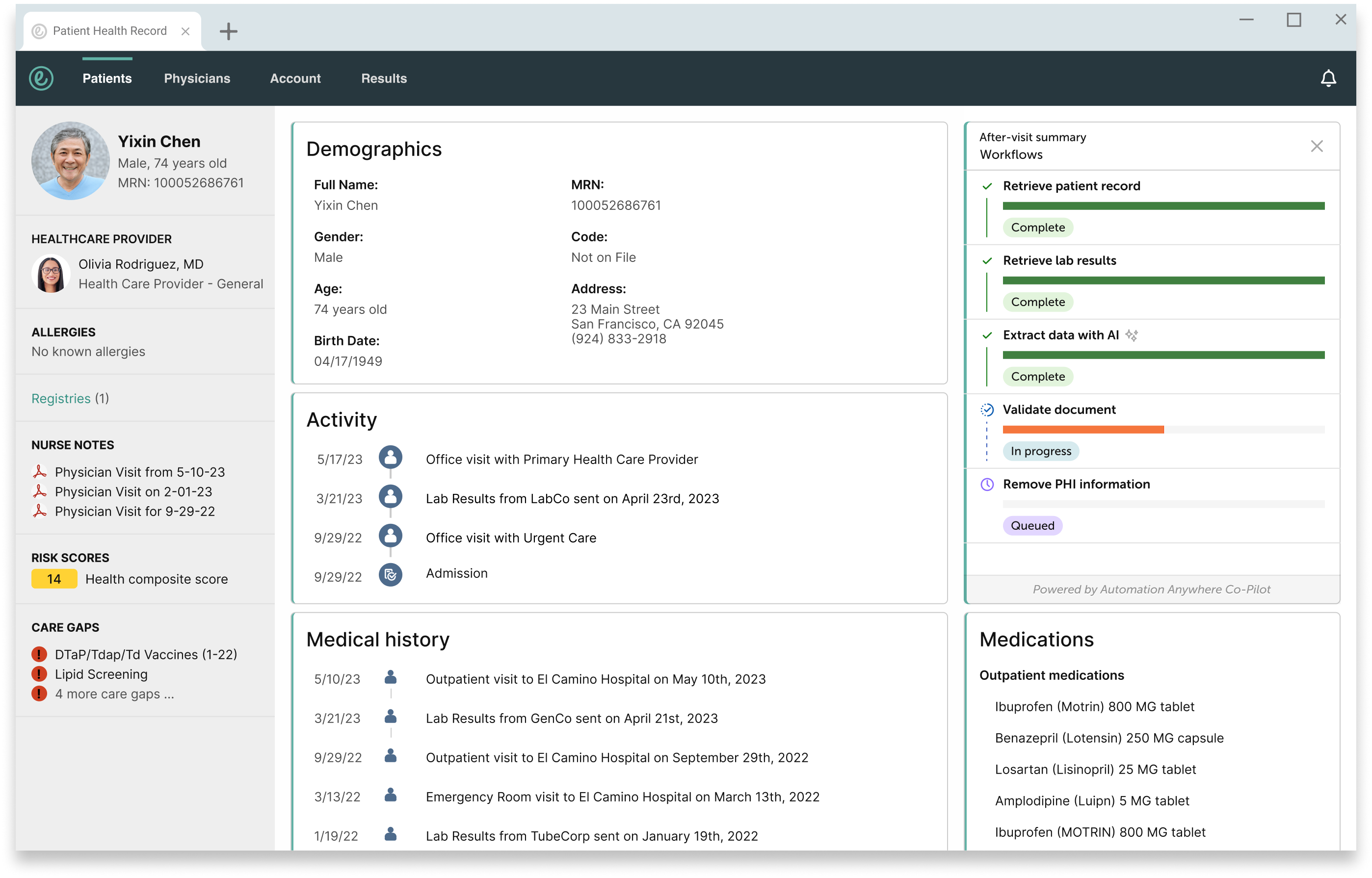
B2B Automation & GenAI Integration
Problem
Enterprise customers struggled to connect siloed automations across disparate systems like Salesforce, SAP, and Genesys, leading to slow turnaround times and high-friction workflows. I led the initiative to evolve this B2B widget from a manual integration connector into an intelligent engine for complex, multi-step business processes.
How I tackled it
- 01
Stakeholder Discovery
Ran 12+ sessions with Sales Engineers, AA Engineers, and existing customers to audit complex use cases.
- 02
Iterative Workflow Design
Developed multiple interaction flows to establish a steel thread for cross-enterprise orchestration.
- 03
GenAI Pivot
Rapidly organized cross-functional workshops when GenAI emerged to rethink the entire product interface.
- 04
Intelligence Integration
Shifted from manual connections to a data-driven model that recommends automations using LLM insights.
What we learned
Our research dove into high-volume business units like Finance, HR, and IT. We surfaced critical friction points — Delta Airlines refund requests, the manual checks required for HR background screenings — that proved manual orchestration was the primary bottleneck for enterprise scalability.
From insight to roadmap
Strategy evolved from a standard multi-release vision into an urgent GenAI-Native roadmap. Originally we were focused on a microsite IA and low-fi wireframes for manual process connections, but we pivoted to an Intelligence-First approach. The new direction connected enterprise data with Next Best Actions, using AI to recommend the most efficient automation paths across Salesforce, SAP, and Genesys.
Iteration to high-fidelity
Phase 1 — From Manual to Steel Thread
Design started by mapping the enterprise orchestration flow between Call Center Agents and Finance Analysts. I worked cross-functionally to ensure interaction accuracy across external design systems like SAP. This stage established the foundational logic engineers needed to build the initial API-led medical claim automation.
Phase 2 — The GenAI Evolution
When GenAI hit, we redesigned the widget to move past simple status tracking. In daily workshops with Engineering and PMs, we iterated on flows that let the system collect data and recommend specific automations. The final direction shifted the user experience from building a flow to approving an AI-suggested orchestration — drastically reducing cognitive load.
What it added up to
The project transformed the Automation Anywhere widget into a forward-looking AI engine. By moving from manual Process Orchestration to GenAI-driven Next Best Actions, we enabled users to manage complex workflows — like Salesforce-to-SAP transfers — with significantly less manual configuration. Enterprise customers gained a clear path to scale their automations while maintaining high-trust data connections.